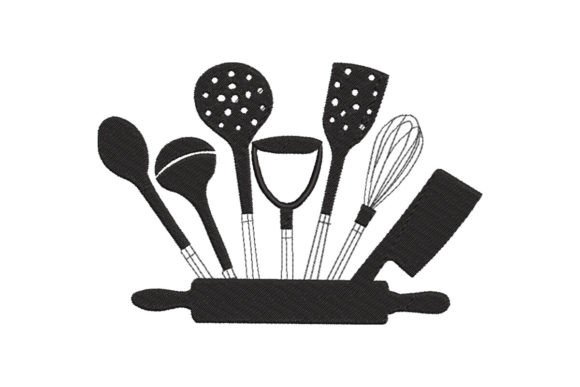
Cooking Utensils Embroidery Design
The Cooking Utensils embroidery design offers a versatile and elegant addition to any craft fair product or handmade item. With its nature-inspired aesthetic, it brings a touch of rustic charm and sophistication to kitchen-related items and beyond. As an experienced embroidery designer, I've evaluated this design for its practicality, visual appeal, and potential to sell at a weekend craft fair booth.
First Impression: Rustic Elegance Meets Practicality
From the first glance, the Cooking Utensils design exudes a sense of rustic elegance. It feels like a natural fit for farmhouse-style decor and kitchen accessories. The design isn't overly bold or flashy, but it's distinctive enough to catch a customer’s eye in a busy booth. Its minimalist lines and soft curves give it a modern yet timeless feel, making it adaptable to various styles and product types.
Where Cooking Utensils Shines
This design excels on a range of craft fair products. On a tote bag design, it adds a subtle yet meaningful detail that complements the functionality of the item. For apron embroidery, it becomes a focal point that speaks to the user’s love for cooking and home life. Tea towel embroidery with Cooking Utensils elevates a simple household item into a stylish, handcrafted gift.
On caps and fabric pouches, the design works as a small accent, perfect for adding a personal touch without overwhelming the overall look. As an embroidered patch, it can be applied to jackets, backpacks, or even pet accessories, expanding the design’s reach beyond traditional kitchen items. Pillow covers and market bags also benefit from the design’s versatility, offering a cohesive look that appeals to a wide audience.
Practical Selling and Production Considerations
One of the strongest aspects of the Cooking Utensils design is how easily it translates across different product types. It’s clear at a glance, which is essential for a craft fair booth where customers may only spend a few seconds deciding whether to engage. The design works well as both a small accent and a larger focal piece, depending on the product size and intended use.
For online listings, the design photographs well, especially when paired with neutral or light-colored fabrics. However, it may lose some clarity on darker materials, so careful consideration of thread colors is important. When producing in batches, the design is repeatable and consistent, making it ideal for small shop product lines and commercial embroidery projects.
Careful-Use Notes for Embroidery Designers
While the Cooking Utensils design is generally straightforward, there are a few areas to pay attention to. Dense stitch areas could cause issues on thick or textured fabrics, so testing on scrap fabric is recommended. Tiny details may not show up clearly on smaller items, so adjusting the scale accordingly is key. Small lettering, if present, should be checked for readability at various sizes.
When working with curved surfaces like caps, the design may require slight adjustments to ensure proper placement. Dark fabric backgrounds might need a contrasting thread color to make the design stand out. Overall, the design is suitable for most standard embroidery projects, but thorough testing is always advised before mass production.
Impact on Visual Appeal and Customer Engagement
Cooking Utensils has a strong visual appeal that enhances the perceived value of any handmade product. Its nature-inspired elements create a sense of warmth and authenticity, which resonates with customers looking for unique, artisanal items. This design can significantly boost buyer engagement at a craft fair booth, as it invites conversation and storytelling around cooking, home life, and personal style.
As a small shop product, it supports brand consistency by reinforcing a theme of quality and craftsmanship. For Etsy sellers, it offers a reliable design asset that can be used across multiple product lines, increasing visibility and sales potential. The design also strengthens booth display by providing a cohesive element that ties together various items, making the overall presentation more attractive and organized.
Embroidery Designer Tips for Success
To get the best results with the Cooking Utensils design, start by testing it on scrap fabric. This helps identify any issues with stitch density or thread contrast before committing to a full production run. Check the spacing between elements to ensure they remain clear and legible, especially when scaled down.
Confirm the correct hoop size for your machine and use the right stabilizer to prevent puckering or distortion. Creating at least one real mockup is essential—seeing the design on actual fabric gives a better sense of how it will look in person. Compare fabric colors to ensure the design stands out and maintains its intended aesthetic.
Finally, always confirm commercial licensing before selling finished products. While the Cooking Utensils design is described as usable on a variety of items, specific terms may vary, so double-checking is crucial for digital embroidery file users and boutique makers.
Conclusion: A Versatile Design for Creative Entrepreneurs
The Cooking Utensils embroidery design is a valuable addition to any craft fair product lineup. Its elegant, nature-inspired style makes it appealing to a broad audience, while its adaptability ensures it can be used across multiple product types. Whether you're an Etsy seller, Cricut crafter, or boutique maker, this design offers a practical and visually appealing option that can enhance your offerings and drive sales.
With proper testing and attention to detail, Cooking Utensils has the potential to become a staple in your collection of machine embroidery design assets. It’s a great example of how thoughtful design can elevate handmade products and connect with customers on a personal level.